Elevating Websites
Start the Journey Using
Databases in your Stacks Projects.
Why might you stay tuned? Even if you only get one idea or learn one new setup, I will consider it well worth my time to share with you.
- You may think that you never use databases, but you'd be wrong.
- Look up a Contact - it's on a database
- Schedule a meeting - it's on a database
- Login to a website - you are on their database
- File your taxes - you are on the govt database
We use them every day, for banking, social media, shopping, email, etc. If you are building a database, thank your lucky stars that we are not still in the 60s and 70s. We have made progress!
A little history
In the early years of personal computers, Visicalc was king. VisiCalc was the first spreadsheet program released in 1979 for the Apple II computer. It allowed one to collect data in nice rows and columns and do rudimentary calculations, formatting them easily compared to using a simple word processor. This lead to people using spreadsheets where they really should have used a database. VisiCalc was gone by 1985.
In general, spreadsheets are an excellent tool that allow us to carry out extensive analysis. But when it comes to data integrity and multi-user access, the database rules.
Easy retrieval and updating, data consistency, data integrity, speed, and security, relational databases are definitely the structure to opt for. They can store lots of raw data and are excellent when separating the data from the way it is displayed for analysis.
And SQL is the process that enables us to use the raw data.
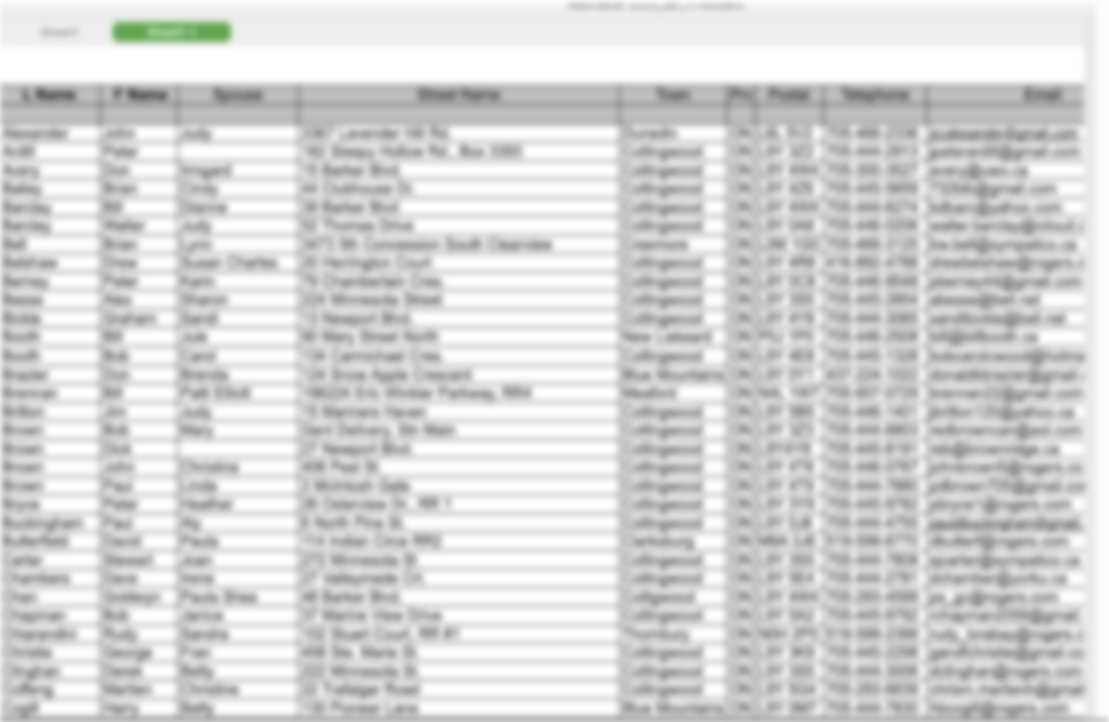
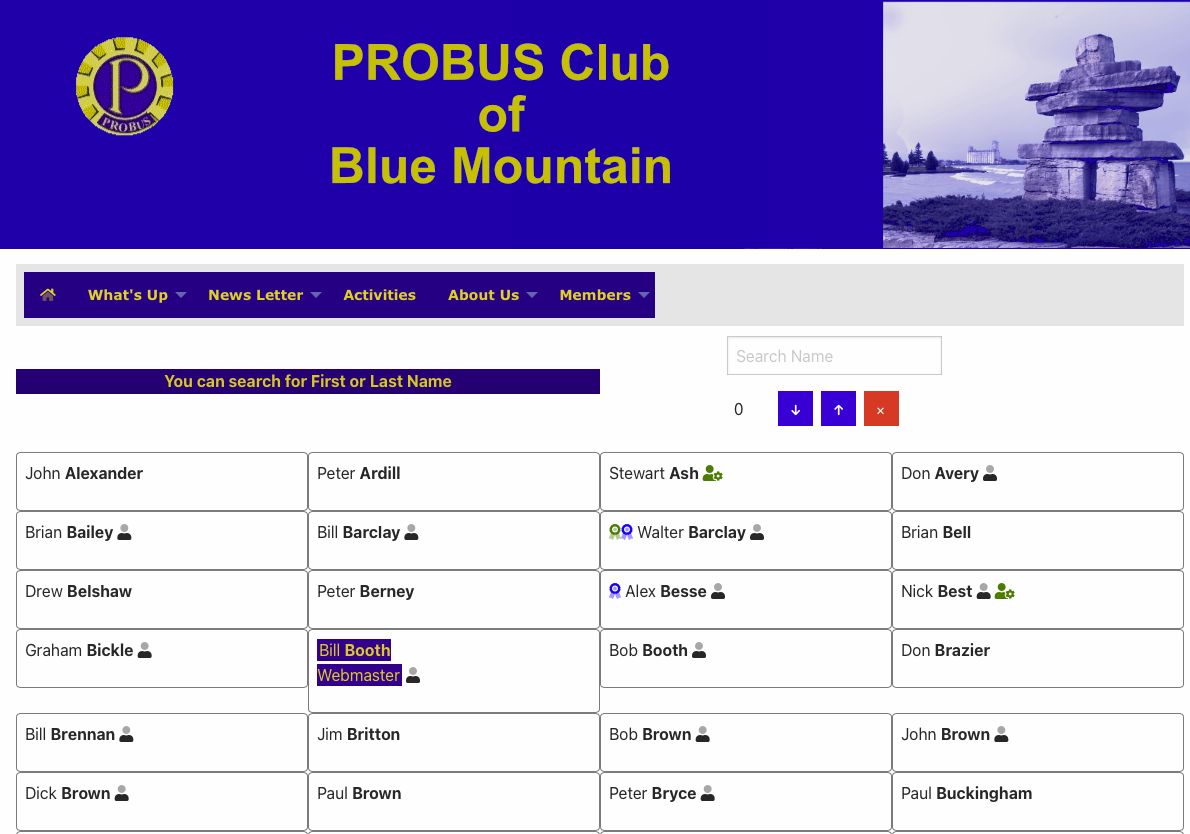
Here is a realtime illustration of spreadsheet vs database:
In fact, my PROBUS Club keeps its membership listing in an Excel file. I have to convert it to a proper database for Sitelok to serve our club website.